
Receiving a psoriasis diagnosis can be confusing, frustrating, and even confronting. Many people live with symptoms for years before getting a clear answer, often mistaking psoriasis for eczema, dandruff, fungal infections, or allergic reactions. Understanding how psoriasis is diagnosed — and what happens after — is an essential step toward managing symptoms effectively and regaining confidence in your skin.
This guide explains how psoriasis is diagnosed in Australia, the signs doctors look for, the different types of psoriasis, and what a confirmed diagnosis really means for your long-term skin health.
What Is Psoriasis?
Psoriasis is a chronic autoimmune skin condition that speeds up the skin cell renewal process. Instead of skin cells shedding naturally over several weeks, new cells form in days, causing a buildup on the surface of the skin.
This leads to:
-
Thickened patches of skin
-
Red or inflamed areas
-
Silvery-white scaling
-
Itching, burning, or soreness
Psoriasis is not contagious, but it is lifelong and tends to cycle through flare-ups and periods of remission.
Why Psoriasis Diagnosis Can Be Challenging
A psoriasis diagnosis isn’t always straightforward. Symptoms can vary widely between individuals and can look different depending on skin tone, body location, and psoriasis type.
Many people are initially misdiagnosed with:
-
Eczema
-
Seborrheic dermatitis
-
Fungal infections
-
Contact dermatitis
-
Allergic rashes
This is why understanding the diagnostic process is so important — especially if symptoms persist or worsen despite treatment.
How Psoriasis Diagnosis occurs
Clinical Skin Examination
In most cases, psoriasis is diagnosed through a visual and physical skin examination by a GP or dermatologist. Doctors look for specific features that distinguish psoriasis from other skin conditions.
Common diagnostic indicators include:
-
Well-defined red plaques
-
Silvery or white scaling
-
Symmetrical patches on elbows, knees, scalp, or lower back
-
Nail changes such as pitting or separation
-
Family history of psoriasis or autoimmune conditions
The appearance, distribution, and texture of the lesions provide strong diagnostic clues.
Medical History and Symptom Review
Your doctor will usually ask about:
-
When symptoms first appeared
-
Whether symptoms come and go
-
Triggers such as stress, illness, injury, or medication
-
Family history of psoriasis or autoimmune disease
-
Joint pain or stiffness (which may indicate psoriatic arthritis)
These details help confirm whether symptoms align with psoriasis rather than another inflammatory skin condition.
Skin Biopsy (When Needed)
If symptoms are atypical or diagnosis is uncertain, a skin biopsy may be performed. This involves removing a small sample of skin under local anaesthetic and examining it under a microscope.
A biopsy can:
-
Confirm psoriasis
-
Rule out fungal infections or skin cancers
-
Differentiate psoriasis from eczema or lupus
Biopsies are not always required, but they are useful when the presentation is unclear.
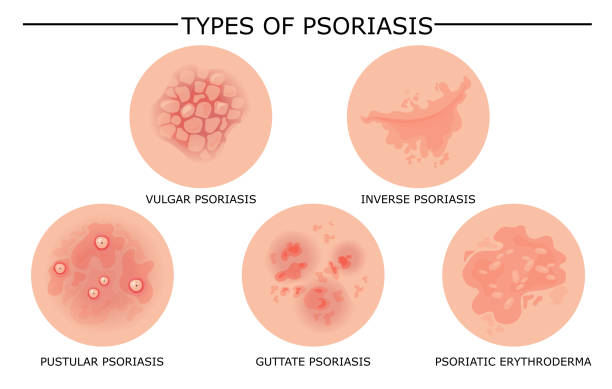
Types of Psoriasis Doctors Look For
Plaque Psoriasis
This is the most common form and the easiest to diagnose. It appears as raised, inflamed patches with thick scaling and typically affects elbows, knees, scalp, and lower back.
Scalp Psoriasis
Often mistaken for dandruff, scalp psoriasis usually extends beyond the hairline and is thicker and more persistent than flaking from dry skin.
Guttate Psoriasis
Appears as small, drop-shaped lesions, often following a throat infection. It is more common in children and young adults.
Inverse Psoriasis
Occurs in skin folds such as underarms, groin, or under the breasts. It often lacks heavy scaling, making diagnosis trickier.
Pustular and Erythrodermic Psoriasis
These are rare but severe forms that require urgent medical attention. They are usually diagnosed by specialists.
Can Blood Tests provide a Psoriasis Diagnosis?
There is no specific blood test that can diagnose psoriasis. However, blood tests may be used to:
-
Rule out infections
-
Check inflammation markers
-
Assess overall health before treatment
-
Screen for psoriatic arthritis or medication suitability
Diagnosis remains primarily clinical rather than laboratory-based.
Psoriatic Arthritis and Diagnosis
Up to 30% of people with psoriasis develop psoriatic arthritis. If joint pain, stiffness, or swelling is present, your doctor may:
-
Order imaging such as X-rays or MRIs
-
Refer you to a rheumatologist
-
Assess nail changes and joint involvement together
Early diagnosis is critical to prevent joint damage.
What a Psoriasis Diagnosis Means for Treatment
A confirmed psoriasis diagnosis allows for a targeted management plan rather than trial-and-error treatment.
Treatment approaches depend on:
-
Severity of symptoms
-
Areas affected
-
Impact on daily life
-
Presence of joint symptoms
Many people start with topical skincare solutions to support the skin barrier and manage dryness, irritation, and scaling.
If you are exploring non-prescription skin support options, gentle, psoriasis-friendly skincare solutions designed to reduce irritation and support compromised skin can play a valuable role alongside medical guidance. You can explore suitable options through this resource on psoriasis-safe skincare solutions:
https://psoriasisandeczema.com.au/
Living With a Psoriasis Diagnosis
Being diagnosed with psoriasis is not just a medical moment — it’s an emotional one. Many people experience frustration, embarrassment, or anxiety, especially if symptoms are visible or persistent.
Helpful strategies after diagnosis include:
-
Learning your personal triggers
-
Supporting the skin barrier daily
-
Managing stress levels
-
Seeking professional guidance when flares change
-
Avoiding harsh products that disrupt the skin
Psoriasis management is ongoing, but understanding your diagnosis gives you control and clarity.
When to Seek Further Medical Advice
You should return to your doctor or dermatologist if:
-
Symptoms suddenly worsen
-
New areas become involved
-
Joint pain develops
-
Treatments stop working
-
Skin becomes painful, infected, or cracked
Psoriasis can evolve over time, and treatment plans should adapt accordingly.
Trusted Australian Health Resources
For medically reviewed information on psoriasis diagnosis and management, Australian health authorities provide reliable guidance. A helpful reference is Healthdirect Australia, which offers clear explanations on psoriasis symptoms and diagnosis for Australian patients.
Final Thoughts on Psoriasis Diagnosis
A psoriasis diagnosis can feel overwhelming at first, but it is also the beginning of understanding your skin and managing it effectively. With the right information, professional support, and skin-friendly care, many people live well with psoriasis and reduce the impact of flare-ups on daily life.
Early diagnosis, proper identification, and informed management make a significant difference — not just to the skin, but to overall quality of life.