
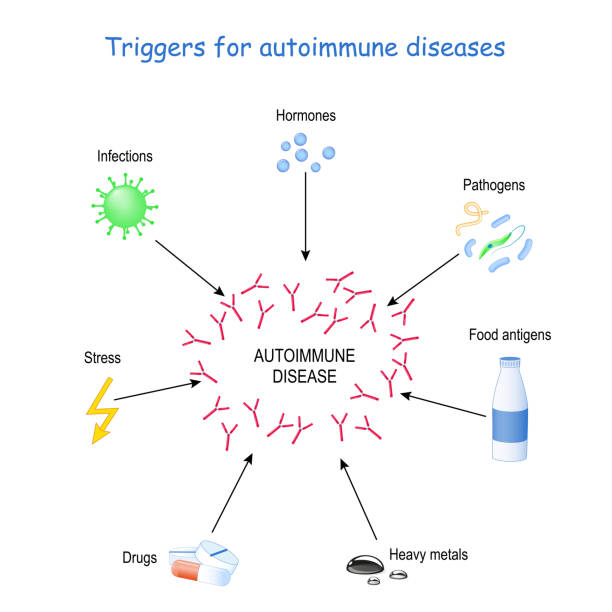
Most people living with psoriasis are aware of common triggers like stress or cold weather. However, many flare episodes are influenced by less obvious factors that can quietly worsen inflammation over time.Understanding unexpected psoriasis triggers can help you better identify patterns and reduce the intensity of future flare cycles.
While psoriasis is a chronic immune-mediated condition, environmental and lifestyle factors often influence when symptoms escalate.
How Triggers Influence Psoriasis
Psoriasis involves immune system overactivity that accelerates skin cell turnover. According to Healthdirect Australia’s overview of psoriasis inflammation plays a central role in plaque formation.
Triggers do not “cause” psoriasis itself, but they can activate or worsen underlying inflammation, leading to psoriasis flare-ups in susceptible individuals.
1. Minor Skin Injuries (The Koebner Phenomenon)
Even small injuries can trigger new plaques in some people. This may include:
-
Scratches
-
Sunburn
-
Shaving cuts
-
Insect bites
-
Friction from clothing
This response is known as the Koebner phenomenon, where new lesions appear at the site of skin trauma.
2. Certain Medications
Some medications are associated with flare patterns, including:
-
Beta blockers
-
Lithium
-
Some antimalarial medications
-
Rapid steroid withdrawal
If you suspect medication-related changes, speak with your healthcare provider before making adjustments.
3. Alcohol Consumption
Alcohol may influence immune signalling and inflammatory pathways. While not everyone is affected, some individuals notice increased symptom activity after higher intake levels.
Patterns vary significantly from person to person.
4. Smoking
Smoking has been linked to increased severity in some forms of psoriasis, particularly palmoplantar psoriasis.
It may:
-
Alter immune response
-
Increase systemic inflammation
-
Affect treatment response
Reducing or quitting smoking may support overall health and potentially reduce flare intensity.
5. Infections
Strep throat and other infections can sometimes precede flare episodes, especially in guttate psoriasis.
The immune system’s response to infection may inadvertently intensify inflammatory signalling in the skin.
If you experience sudden symptom changes following illness, it may indicate infection-related triggering.
6. Hormonal Changes
Hormonal fluctuations during:
-
Puberty
-
Pregnancy
-
Postpartum period
-
Menopause
may influence psoriasis patterns in some individuals.
Changes in immune modulation during hormonal transitions may affect plaque activity.
7. Sleep Disruption
Poor sleep may increase inflammatory markers and stress hormones, potentially worsening psoriasis symptoms over time.
Sleep disturbance can create a cycle where itching disrupts sleep, and reduced sleep increases inflammation.
If you notice recurring patterns, it may help to monitor broader psoriasis symptoms and identify whether flare timing corresponds with sleep quality.
8. Dietary Sensitivities
While there is no universal psoriasis diet, some individuals report symptom changes associated with:
-
Highly processed foods
-
Excess sugar
-
High saturated fat intake
Responses vary, and broad elimination diets should only be undertaken with professional guidance.
Identifying Your Personal Trigger Pattern
Because triggers differ between individuals, keeping a symptom journal can be helpful. Record:
-
Flare timing
-
Stress levels
-
Recent illness
-
Medication changes
-
Environmental conditions
Over time, patterns may become clearer.
If flare episodes are frequent or worsening, reviewing broader information about psoriasis flare-ups can help you understand how triggers and immune activity interact.
Final Thoughts – Unexpected Psoriasis Triggers
Unexpected psoriasis triggers can quietly influence symptom cycles. While common triggers like stress and cold weather are well recognised, lesser-known factors such as minor injuries, sleep disruption and certain medications may also play a role.
Understanding your individual pattern can support more stable symptom management and reduce flare intensity over time.