
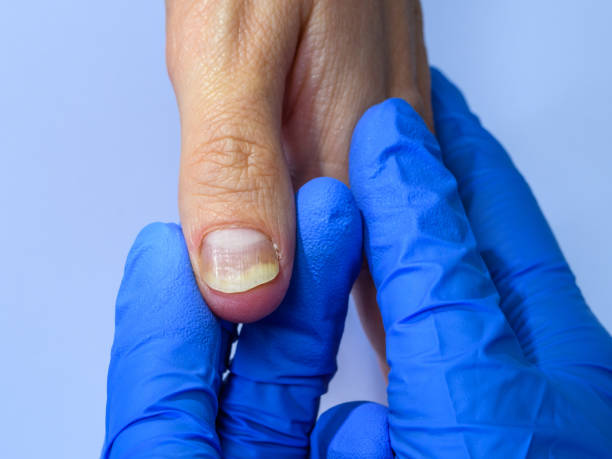
Nail psoriasis treatment in Australia is something many people start researching after noticing changes to their nails that don’t resolve on their own. Pitting, thickening, discolouration, and nails that begin separating from the nail bed are among the most common signs — and because the nails are visible in daily interactions, the impact on confidence and comfort can be significant.
Managing nail psoriasis is a long-term process rather than a short-term fix. Nails grow slowly, the area is difficult to treat topically, and the hands are in constant use throughout the day — all of which make nail psoriasis one of the more frustrating aspects of psoriasis to manage. This guide covers what nail psoriasis involves, the approaches commonly used in Australia, and how to build a consistent care routine around it.
What Is Nail Psoriasis?
Nail psoriasis is a manifestation of psoriasis that affects the fingernails and toenails rather than the skin surface. It occurs when the psoriatic process — which drives the accelerated skin cell cycle associated with psoriasis — affects the nail matrix, the nail bed, or both.
It’s more common than many people realise. A significant proportion of people with psoriasis experience nail involvement at some point, and for some people nail psoriasis presents without significant skin involvement elsewhere on the body. It can affect one nail or multiple nails simultaneously and varies considerably in severity.
Because the nail is a slow-growing structure produced by the nail matrix, changes to the nail caused by psoriasis can take months to grow out even when the underlying process is being managed — which is one reason why nail psoriasis requires a longer timeline and more patience than skin-surface psoriasis.
For a reliable clinical overview of nail psoriasis and how it presents, Healthdirect Australia provides a useful reference alongside any management approach you’re exploring.
Common Nail Psoriasis Symptoms
Nail psoriasis presents in several distinct ways — and it’s common for more than one of these changes to appear on the same nail or across different nails simultaneously.
Pitting. Small depressions or pits on the nail surface are one of the most recognised signs of nail psoriasis. They form when psoriasis affects the nail matrix and disrupts the way the nail plate is produced. Pitting can range from a few scattered depressions to more extensive changes across the nail surface.
Ridging. Horizontal or vertical ridges across the nail surface can develop as a result of disruption to the nail matrix during nail production. These differ from the fine ridges that appear naturally with age and tend to be more pronounced in nail psoriasis.
Thickening and crumbling. The nail plate can become thickened and brittle, sometimes crumbling at the edges. This is more common when nail psoriasis affects the nail bed as well as the matrix.
Discolouration. Yellowish or brownish discolouration — sometimes described as an “oil drop” or “salmon patch” appearance — can develop beneath the nail plate when the nail bed is involved. This is a characteristic feature of nail psoriasis that helps distinguish it from other nail conditions.
Onycholysis — nail lifting. The nail plate separating from the nail bed is one of the more significant presentations of nail psoriasis. It typically starts at the tip of the nail and can extend further if the underlying condition isn’t being managed. The separation creates a space beneath the nail that can accumulate debris and increase the risk of secondary infection.
Why Nail Psoriasis Can Be Difficult to Manage
Understanding why nail psoriasis treatment in Australia requires patience starts with how slowly nails actually grow and how much the hands are used daily.
Slow nail growth. Fingernails grow approximately 3mm per month on average. Even when the psoriatic process is being managed effectively, it takes months for the visible changes in the nail to grow out and be replaced by healthier nail. This means visible improvement is measured in months rather than weeks — which requires realistic expectations and patience.
Constant hand use. The hands are in use throughout the day — exposed to water, friction, and mechanical stress. This repeated exposure makes it harder for the nail area to settle than areas of skin that can be protected more easily.
Topical penetration challenges. Topical products have difficulty penetrating the nail plate to reach the nail bed and matrix where the psoriatic process is occurring. This is why nail psoriasis often requires a combination of approaches rather than a single topical product.
Repeated irritation from daily activities. Frequent handwashing, contact with cleaning products, and physical work all create ongoing irritation that can compound nail psoriasis symptoms. Managing the nail environment — not just the condition itself — is part of the overall approach.
Common Nail Psoriasis Management Approaches in Australia
Nail psoriasis management typically involves a combination of approaches tailored to severity and the specific way it’s presenting. A GP or dermatologist is the appropriate first point of contact for personalised guidance — what works well for one person’s nail psoriasis may not be the right starting point for another.
Moisturising and barrier support. Keeping the skin around the nail and the nail plate itself well moisturised helps reduce brittleness and cracking. Emollient-rich creams applied consistently around the nail fold and cuticle area support the local skin environment and reduce the dryness that can worsen nail changes.
Gentle nail care habits. Keeping nails trimmed short, avoiding picking or pulling at lifting areas, and wearing gloves for wet work and cleaning all reduce mechanical stress on already-compromised nails. Simple protective habits are often an underappreciated part of nail psoriasis management.
Prescription topical treatments. For more significant nail psoriasis, a GP or dermatologist may recommend prescription-strength topical treatments applied to the nail fold or under the nail. These are beyond over-the-counter options and require professional assessment and guidance.
Light therapy. UVB phototherapy is used in some cases of nail psoriasis, particularly where skin-surface psoriasis is also present. Our light therapy collection covers at-home UVB options for people managing psoriasis more broadly.
Systemic treatment. For severe or widespread nail psoriasis — particularly where it’s causing significant functional difficulty or pain — a dermatologist may discuss systemic treatment options. This is a clinical decision made in the context of overall psoriasis severity and management.
Topical Products Commonly Used Around Nails
While topical products have limitations in penetrating the nail plate itself, keeping the surrounding skin well moisturised and supported is a practical and consistent part of nail psoriasis management for many people.
Soothing creams for the nail fold and fingertip area. Applying a gentle, fragrance-free cream to the skin around the nail — the nail fold, cuticle area, and fingertips — helps maintain the skin barrier in an area that’s frequently exposed to water and irritants. Our creams and sprays collection includes options formulated for sensitive and psoriasis-prone skin.
Bee venom cream. Some people managing psoriasis-prone skin around the nails use bee venom cream as part of their daily moisturising routine for the fingertip and nail fold area. Our bee venom skin repair cream is formulated for daily use on dry, sensitive, and reactive skin and is commonly used by people managing psoriasis in various locations.
Spray formats for hard-to-reach areas. Spray products can be more practical than creams for applying to nail fold areas without disturbing already-fragile nails. See our gentle skin rescue spray as an option suited to sensitive skin in hard-to-apply areas.
For more on managing psoriasis on the hands more broadly, our guide to psoriasis on hands and fingers in Australia covers the wider hand and finger area alongside nail involvement.
Why Nail Psoriasis Treatment in Australia Takes Time
Nail psoriasis treatment in Australia is a long-term commitment — improvement is possible but measured in months rather than weeks.
Because nail changes reflect what was happening in the nail matrix weeks or months ago — when that portion of nail was being produced — visible improvement requires time for the affected nail to grow out and be replaced by nail produced during a period of better-managed psoriasis. This means that even when the underlying condition is being addressed effectively, visible nail improvement may take three to six months or longer to become apparent.
Consistency in management — maintaining a regular moisturising routine, protecting nails from mechanical stress, and following any professional guidance on topical or systemic treatment — gives the best conditions for gradual improvement over time. There are no guarantees, and nail psoriasis can be persistent even with thorough management — but many people do notice gradual improvement with a sustained, patient approach.
When to Speak With a Healthcare Professional
Nail psoriasis is worth discussing with a GP or dermatologist in several situations:
If nails are separating significantly from the nail bed. Significant onycholysis creates a space that can accumulate debris and increase the risk of secondary fungal or bacterial infection — both of which require professional assessment rather than over-the-counter management.
If you’re experiencing pain. Nail psoriasis isn’t typically painful, but significant nail changes or secondary infection can cause discomfort. Pain warrants professional review.
If you’re uncertain about the diagnosis. Nail changes can have several causes — including fungal infection — which can look similar to nail psoriasis. A GP or dermatologist can confirm the diagnosis and ensure the management approach is appropriate for the actual cause.
If nail changes are worsening despite consistent management. Deterioration despite a consistent approach suggests that a different or more targeted treatment may be needed — which requires professional assessment.
Final Thoughts
Nail psoriasis treatment in Australia requires a long-term, patient approach rather than a quick fix. Nails grow slowly, the area is difficult to treat topically, and the hands are in constant use — all of which mean that meaningful improvement takes time and consistent effort.
Maintaining a gentle moisturising routine around the nail area, protecting nails from mechanical stress and water exposure, and working with a healthcare professional on any prescription or systemic options appropriate for your situation gives the best foundation for gradual improvement over time.
Managing expectations is as important as managing the condition itself. For people who approach nail psoriasis with realistic timelines and consistent care, gradual improvement is a commonly reported outcome — even if full resolution isn’t always achievable.